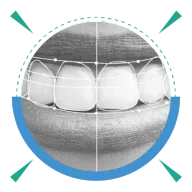
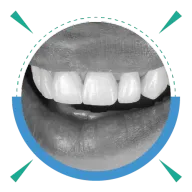
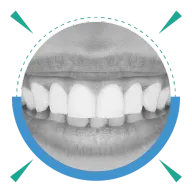
Composite veneers are cosmetic restorations the dentist sculpts directly on the tooth using highly aesthetic composite resin. They change shape, size and shade with little or no removal of natural tooth.
Because they are made directly, they are usually completed in one or two visits and can be easily repaired or adjusted. In exchange, they need maintenance polishing to keep their gloss.
Benefits
Whychoosecompositeveneers
01
Minimally invasive
In most cases no tooth reduction is required.
02
Fast
The result can be seen from the first visit.
03
Repairable
If an edge chips, it can be repaired in the office.
04
Handcrafted
The doctor sculpts and characterizes each tooth individually.
Step by step
Howtheprocedureworks
Recommended care
Go easy on coffee, red wine, tea and tobacco
Attend maintenance polishing visits
Do not use your teeth as tools
1
Evaluation and shade selection
Dental health is checked and the shade is defined, ideally after whitening.
2
Surface preparation
Enamel is conditioned to achieve a strong bond.
3
Layering
Composite is applied in layers and the tooth shape is sculpted.
4
Final polish
The bite is adjusted and the surface is polished for a natural finish.
Timing and results vary from person to person. The final recommendation is made at the evaluation visit.
Frequently asked questions
Frequentlyaskedquestionsaboutcompositeveneers
How long do composite veneers last?
On average 5 to 7 years. With good hygiene and regular polishing they can stay in good shape for longer.
Do composite veneers stain?
Composite can pick up stains over time, especially from coffee, wine or smoking. Maintenance polishing helps restore gloss and shade.
Does the procedure hurt?
Usually not. Since there is little or no tooth reduction, most cases are done without anesthesia.
Can I switch from composite to porcelain later?
Yes. Many people start with composite and move to porcelain veneers over time.


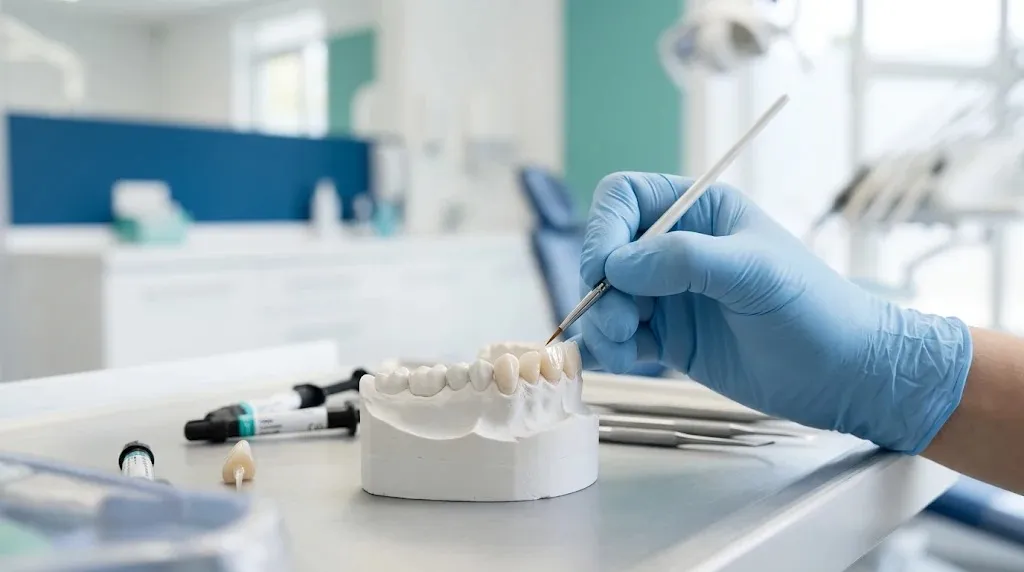 Composite veneers