

 Bruxism treatment
5 min read
Bruxism: symptoms, causes and how to tell if you clench your teeth
Bruxism is involuntary clenching or grinding of the teeth. Learn its symptoms, causes, consequences and when to see your dentist.
Read articleDiagnosis and management of teeth clenching and grinding and of jaw joint discomfort.
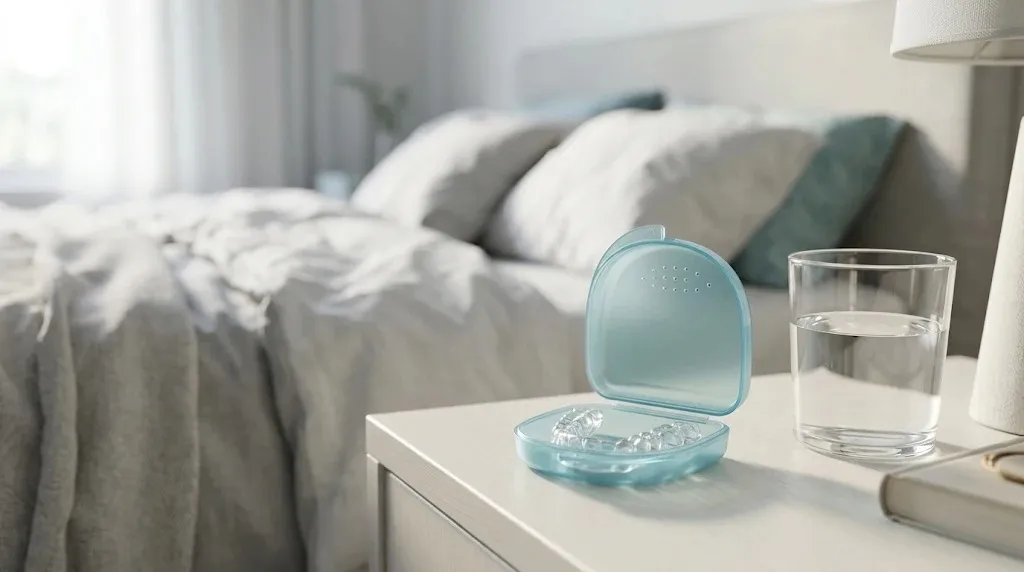
Use
Mostly at night
Material
Custom rigid acrylic
Check-ups
Every 6 to 12 months
Bruxism is the involuntary habit of clenching or grinding your teeth, during the day or while you sleep. Over time it can wear enamel, fracture teeth and restorations, and cause pain in the facial muscles and the temporomandibular joint (TMJ).
Treatment aims to protect the teeth and relax the muscles. The most common tool is a custom-made occlusal splint or night guard, together with habit recommendations and, when needed, support from other specialties.
The splint takes the wear instead of your teeth.
Extends the life of veneers, crowns and implants.
Helps reduce facial tension and pain.
Fabricated from an exact record of your mouth and adjusted to your bite.
Teeth, muscles, joint, and sleep and stress habits are reviewed.
Impression or digital scan to fabricate the splint.
The splint is fitted and the bite is balanced on it.
Periodic reviews to adjust it and check wear.
The most common signs are jaw pain or fatigue on waking, worn or sensitive teeth, headaches at the temples, and someone hearing you grind at night. The dentist confirms the diagnosis.
Not always, since it is linked to stress, sleep and other factors. What can be done is control its effects and protect teeth and the joint.
Generic soft guards do not fit your bite and in some cases can increase muscle activity. A custom rigid splint is the recommended option.
It depends on how hard you clench. It usually lasts several years; wear is checked at follow-ups to decide when to replace it.
Bruxism treatment5 min read
Bruxism is involuntary clenching or grinding of the teeth. Learn its symptoms, causes, consequences and when to see your dentist.
Read articleBruxism treatment5 min read
An occlusal splint protects teeth from grinding. We explain how it works, the types, why it should be custom-made, how to care for it and when to replace it.
Read articleFill out this form in under a minute. Sending it opens WhatsApp with your request ready so the doctor’s team can confirm your appointment.
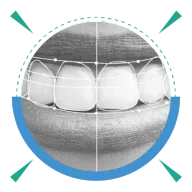
A tailored plan that blends aesthetics and function for a balanced, natural-looking smile.
Learn more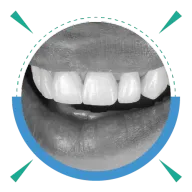
Thin, strong ceramic shells bonded to the tooth for a natural, long-lasting look.
Learn more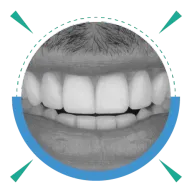
A minimally invasive cosmetic treatment: direct composite restorations sculpted tooth by tooth.
Learn more