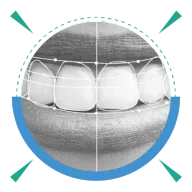
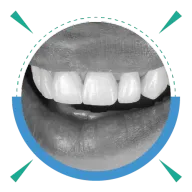
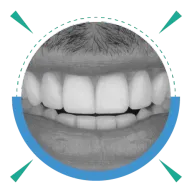
Oral rehabilitation is the dental specialty that restores damaged, worn or missing teeth to recover chewing, bite stability and aesthetics. It includes crowns, inlays and onlays, fixed bridges and partial or complete prostheses.
Dr. Andreina Armas is a specialist in this field and a lecturer at Pontificia Universidad Javeriana. Her approach is to plan the mouth as a whole: each restoration is designed to work with the others and to last.
Benefits
Whychooseoralrehabilitation
01
Chew comfortably
Contacts and bite height are re-established.
02
Protects what remains
Crowns and onlays keep a weakened tooth from fracturing.
03
Aesthetic materials
Metal-free ceramics that blend with your tooth shade.
04
Comprehensive plan
Coordinated with endodontics, periodontics or orthodontics when needed.
Step by step
Howtheprocedureworks
Recommended care
Thorough hygiene at restoration margins
Check-ups every six months
Night guard to protect ceramics
1
Full diagnosis
Exam, X-rays, models or digital scan, and bite analysis.
2
Phased plan
The order is defined: health first, then function, then aesthetics.
3
Temporaries
Shape and bite are tested with temporary restorations.
4
Final restorations
Final pieces are cemented and care instructions are given.
Timing and results vary from person to person. The final recommendation is made at the evaluation visit.
Frequently asked questions
Frequentlyaskedquestionsaboutoralrehabilitation
What does an oral rehabilitation specialist do?
They diagnose and restore damaged or missing teeth with crowns, bridges, inlays and prostheses, including those on implants. The specialty is also known as prosthodontics.
When is a dental crown needed?
When a tooth has lost a lot of structure to decay, fracture or root canal treatment and a filling is no longer enough to protect it.
What is an inlay or onlay?
A custom-made partial restoration in ceramic or composite that replaces only the damaged part of the tooth. It is more conservative than a crown.
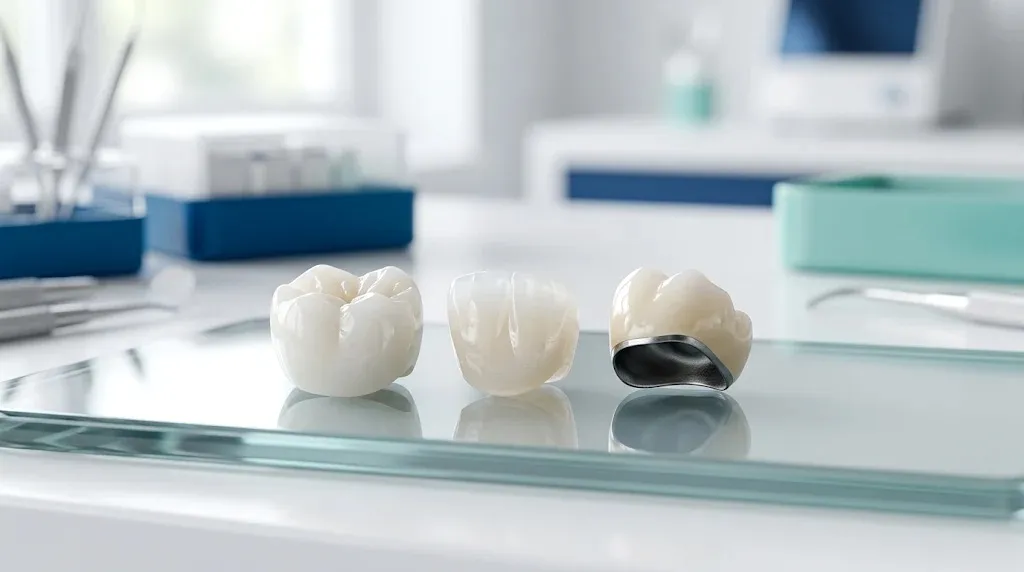
Which crown material is best?
It depends on the tooth’s position, the strength of your bite and aesthetic demands. The doctor recommends the material after evaluating your case.
A guide to dental crown types: zirconia, lithium disilicate (e.max) and porcelain-fused-to-metal. Differences in aesthetics, strength and where each is used.


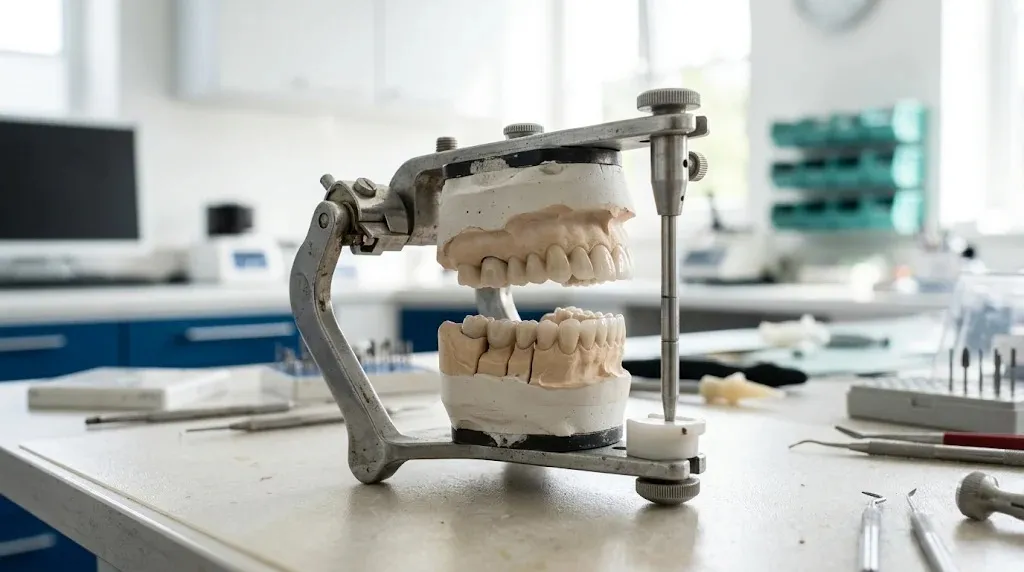
 Oral rehabilitation