Bruxism: symptoms, causes and how to tell if you clench your teeth
Bruxism is involuntary clenching or grinding of the teeth. Learn its symptoms, causes, consequences and when to see your dentist.
 Reviewed byDr. Andreina Armas · Specialist in Oral Rehabilitation and Cosmetic Dentistry5 min read
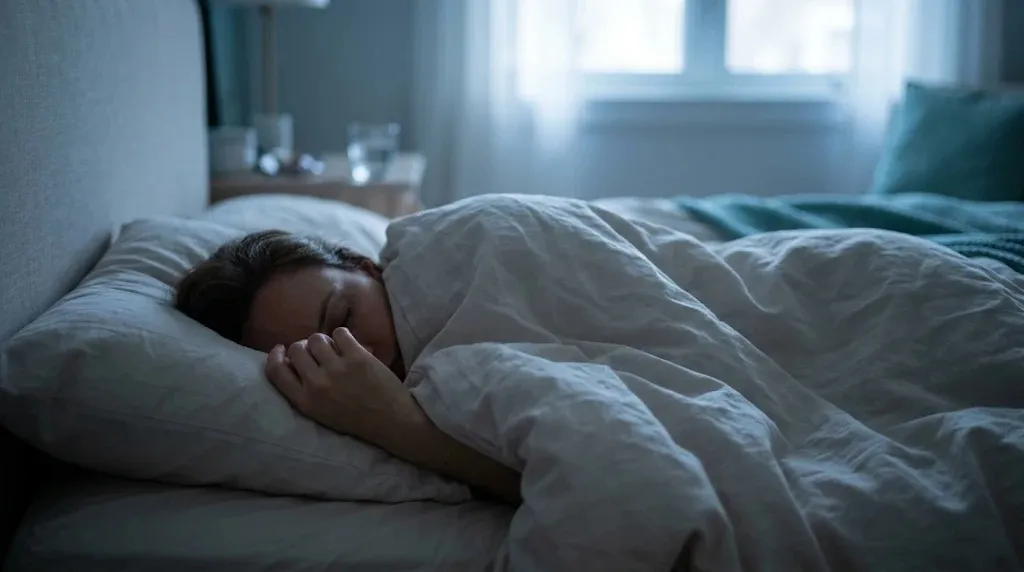
Bruxism is repetitive, involuntary activity of the chewing muscles that leads to clenching or grinding the teeth. Many people have it without knowing, because it happens while they sleep or during moments of concentration.
What types are there?
| Sleep bruxism | Awake bruxism | |
|---|---|---|
| When | Asleep | Awake |
| Form | Grinding and clenching | Mainly clenching |
| Awareness | You do not notice | You can notice and correct it |
| Linked to | Micro-arousals, apnea | Stress, concentration |
What are the symptoms?
- Jaw pain or fatigue on waking.
- Headaches at the temples.
- Worn, flat, cracked or chipped teeth.
- Tooth sensitivity without decay.
- Clicking or pain in the temporomandibular joint (TMJ).
- Tooth marks on the tongue or cheeks.
- Your partner hears you grinding at night.
- Restorations that fracture often.
What causes it?
There is no single cause. The most studied factors are:
- Stress and anxiety.
- Sleep disturbances, such as obstructive apnea.
- Stimulants: caffeine, nicotine and alcohol.
- Certain medications, such as some antidepressants.
- Family predisposition.
It used to be blamed on a “bad bite”, but today the origin is understood to lie mainly in the central nervous system.
What happens if it is not treated?
- Progressive enamel wear and loss of tooth height.
- Fractured teeth, veneers, crowns and implants.
- Chronic muscle pain and TMJ problems.
- Gum recession and sensitivity.
Advanced cases may require full-mouth rehabilitation.
How is it treated?
The goal is to protect and control:
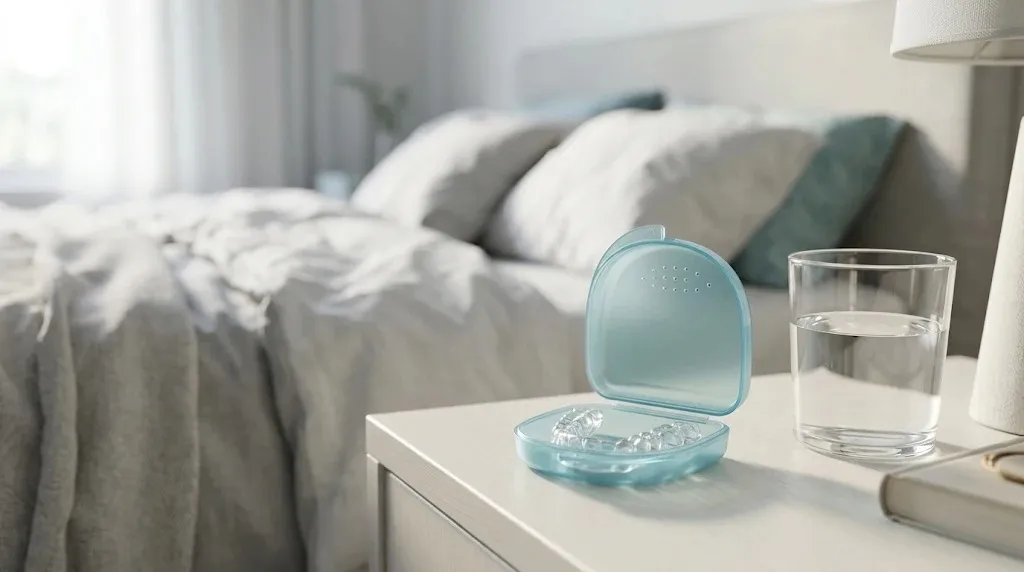
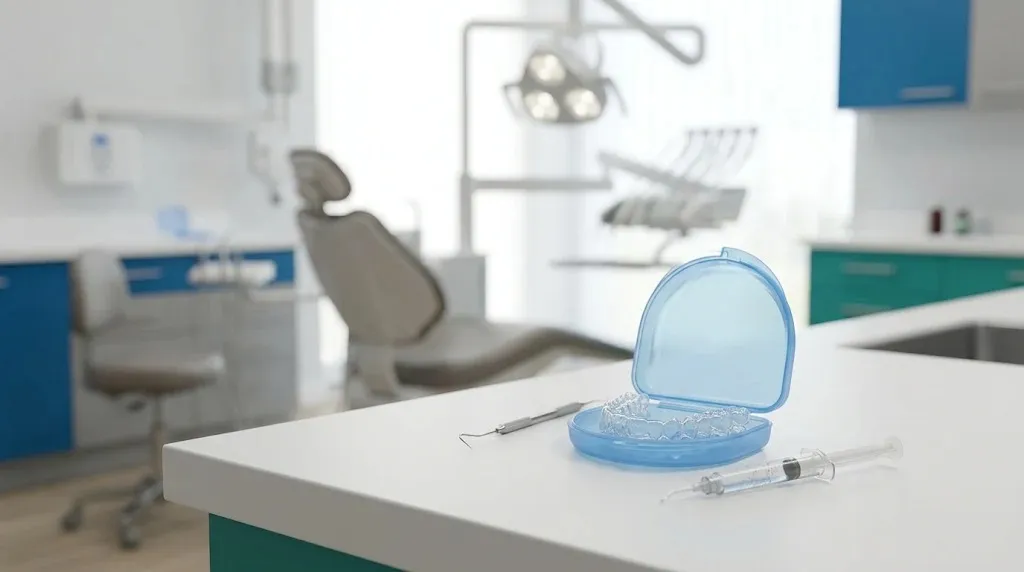
- Custom occlusal splint to protect the teeth. Read how a night guard works.
- Sleep hygiene and fewer stimulants.
- Stress management and daytime awareness of the habit (lips together, teeth apart).
- Physiotherapy or medical support when there is muscle pain or suspected apnea.
When should you see a dentist?
If two or more symptoms sound familiar, an evaluation is worthwhile. Catching it early prevents irreversible damage. Learn about bruxism treatment with Dr. Andreina Armas in Bogotá.
Frequently asked questions
Is bruxism caused by stress?
Stress and anxiety are very common factors, especially in awake bruxism. Sleep bruxism is also influenced by micro-arousals, apnea and certain substances.
Can children have bruxism?
Yes, it is common in childhood and usually decreases with age. A pediatric dentist should assess it.
Does bruxism cause headaches?
It can. Overloaded chewing muscles produce tension headaches, especially at the temples and on waking.