Full-mouth rehabilitation: when it’s needed and how it’s planned
Full-mouth rehabilitation restores all or most teeth to recover bite, function and aesthetics. Learn the signs, phases and timing.
 Reviewed byDr. Andreina Armas · Specialist in Oral Rehabilitation and Cosmetic Dentistry6 min read
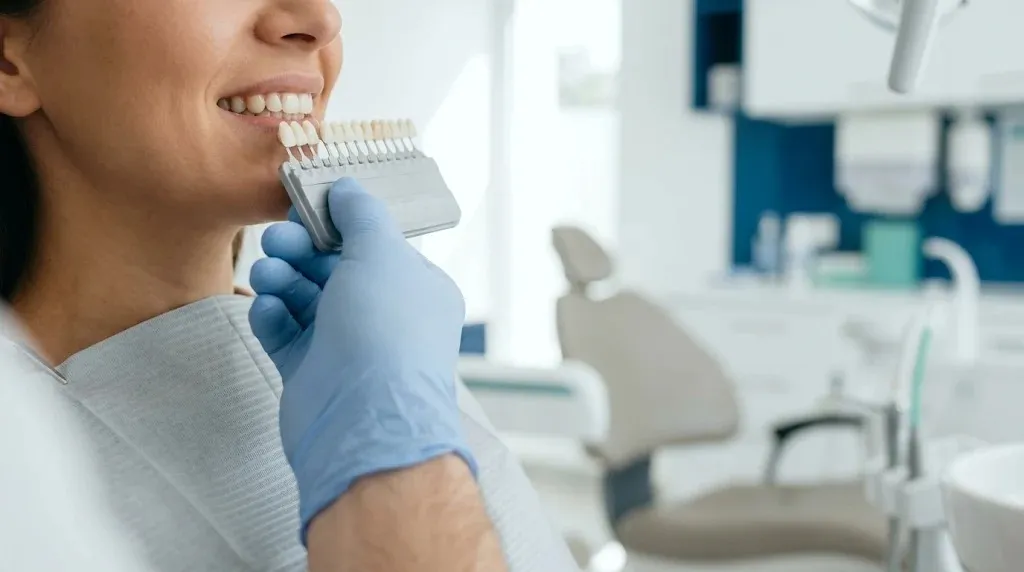
Full-mouth rehabilitation is the treatment that restores all or most teeth to give the mouth its function back: comfortable chewing, a stable bite and a balanced smile. It is the field of the oral rehabilitation specialist, also called a prosthodontist.
When is it needed?
The most common signs are:
- Generalized wear: short, flat teeth or lost enamel, usually from bruxism or acid erosion.
- Several missing teeth that have caused the others to shift.
- Multiple old restorations that are fractured or leaking.
- Collapsed bite: the face looks shorter and deep folds appear at the corners of the mouth.
- Muscle or joint pain linked to an unstable bite.
Which treatments can it include?
| Need | Usual solution |
|---|---|
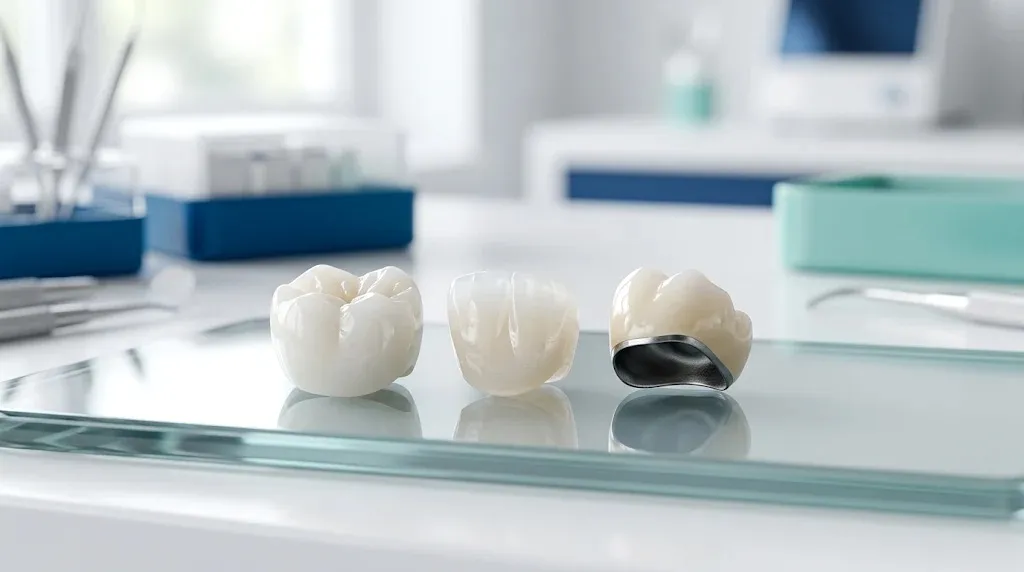
| Badly damaged tooth | Crown |
| Partial damage | Inlay or onlay |
| Missing tooth | Implant with crown, or bridge |
| Several missing teeth | Fixed or removable prosthesis |
| Worn front teeth | Ceramic veneers or crowns |
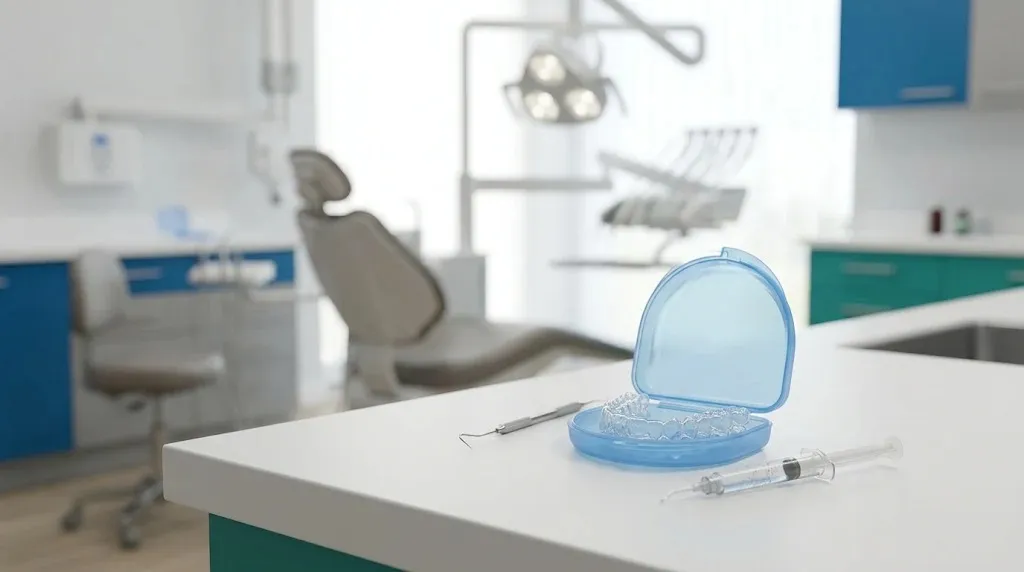
| Final protection | Night-time occlusal splint |
Learn about materials in types of dental crowns.
How is it planned?
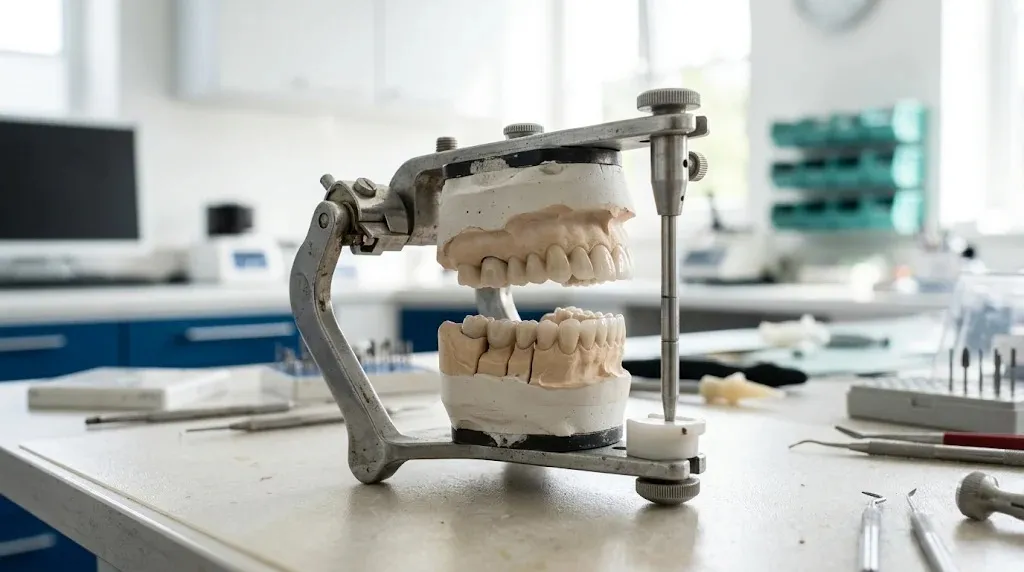
- Comprehensive diagnosis. Exam, X-rays, photographs, models or digital scan, and bite analysis.
- Wax-up or digital design. How the teeth should look and at what height the bite should sit is projected.
- Health phase. Decay, gums and root canals are treated; extractions or implants are done if needed.
- Temporaries. The new bite is tested for weeks to confirm it is comfortable.
- Final restorations. Temporaries are replaced with the final pieces.
- Maintenance. Night guard and regular check-ups.
The temporary phase is the most important: it allows adjustments before the final work is made.
How long does it take?
It depends on complexity. A case without implants can be resolved in one to three months. With implants or surgery, time increases because of healing periods.
Why see a specialist?
Because each restoration affects the others. Planning the mouth as a whole avoids redoing work and protects the joint. Dr. Andreina Armas is a specialist in oral rehabilitation and a university lecturer in this field, and she coordinates the plan with the interdisciplinary team when needed.
Frequently asked questions
How is oral rehabilitation different from smile design?
Smile design focuses on the look of visible teeth. Oral rehabilitation rebuilds function and bite across the whole mouth, and improves aesthetics too.
Will I be without teeth during treatment?
No. Temporaries are worn throughout so you can eat, speak and smile normally.
Can it be done in stages?
Yes. The plan is organized by phases and priorities, which also lets you spread the investment over time.